5 Daily Habits to Improve Children's Mental Health | WPS

- Admin
- 24 April 2026
One afternoon after school, Aarav sat quietly in the living room instead of going outside to play like he usually did. His parents knew something was wrong. Aarav claimed he was anxious about homework and a dispute with a friend after a calm discussion.
When youre a youngster, these types of things happen a lot. Even if kids dont always verbalise how they feel, you still need to take care of their ideas and feelings. Helping kids with their mental health is equally as important as helping them with their schooling or their physical health.
Teachers at a lot of schools, such cbse schools in Latur and other well-known CBSE schools in Latur City, say that emotional balance is important for helping students grow up to be strong and confident adults. Families and schools may work together to help kids get off to a good start in life.
1. Promote open communication
Kids feel a number of different things as they grow up. One day, they could be joyful, sad, enthusiastic, or angry. But many kids struggle to say what they mean.
Talking to each other is one of the best things you can do for your kids mental health. When kids feel safe talking to their parents about their feelings, they start to understand that their feelings are significant and should be valued.
Every day, parents may do tiny things to start talks. During meals, walks, or sleep, kids can talk about their day in a way that feels right to them.
One simple technique to boost kids mental health is to get them to talk about their day and ask them questions like, What was the best thing that happened to you today?
Did something make you feel horrible or scared?
Are you looking forward to doing anything enjoyable tomorrow?
These chats help parents trust each other and give their kids better mental health support.
2. Keep a healthy daily routine
When kids know what to expect from their days, they feel safer. Kids need consistency, and regular routines help them keep track of their time and responsibilities.
A healthy daily routine usually includes schoolwork, meals, time to play, and enough sleep. These things are great for kids mental health because they make them feel less anxious and confused.
Kids also develop excellent habits via healthy routines, such going to bed and waking up at the same time every day, studying at the same time every day, and taking pauses to rest.
When kids stick to a schedule, they learn how to be responsible and disciplined and be emotionally stable. As kids get older, these routines steadily become good habits that are good for their mental health.
3. Encourage exercise
Being active is excellent for your body and mind.
Kids can let off steam and relax by running, riding, playing sports, or just being outside. You can also feel better and concentrate better when you work out.
Getting youngsters to move around more is one of the easiest ways to help their mental health. This helps them feel better and calmer.
Encouraging youngsters to play outside, go for walks with the family, or join a sports team can help them develop this habit. These activities also help kids learn positive habits that benefit their bodies and minds.
When youngsters are used to being active every day, it instantly helps their mental health.
4. Limit Screen Time and Encourage Creative Activities
Technology is a crucial aspect of modern life, but youngsters mental health might suffer if they spend too much time in front of a screen. Being on gadgets for a long time could make it tougher to be creative, develop friends, and get exercise.
So, to assist in maintaining their mental health strong, you should restrict their screen time and encourage them to pursue creative things.
Kids can utilize their imaginations and express themselves in good ways by drawing, telling stories, producing music, building things, or reading books.
These activities help kids form good habits by giving them exciting ways to use screens instead of just sitting around.
Parents could also start simple family hobbies like painting, puzzles, or board games. These kinds of things assist youngsters mental health by keeping their emotions steady and making them more creative.
5. Spend time with your family.
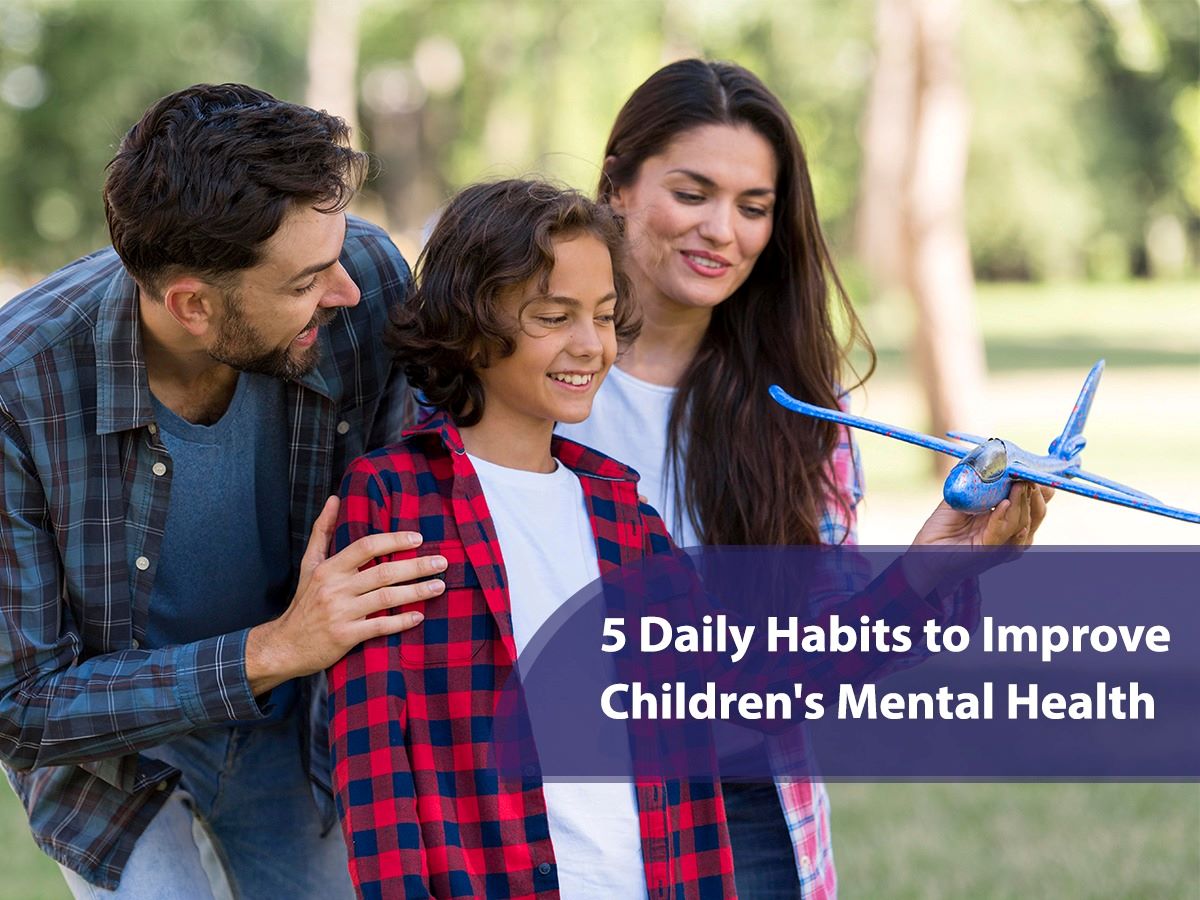
One of the best things you can do for your childs mental health is to spend time together as a family.
When parents are involved in their kids lives, kids feel safe and significant. People feel close to one other when they eat meals, read stories, or go on weekend trips together.
Spending time together also gives you natural chances to communicate and obtain help with your feelings. At these occasions, kids feel safe talking about how they feel and what they think.
Spending time with family is one of the best things you can do for your kids mental health since it helps them feel like they belong and strengthens their ties.
The Role of Parents in Supporting Mental Health
Parents need to help their kids learn to understand and manage their feelings.
Kids learn a lot by watching how adults do things. When parents are patient, empathetic, and know how to handle stress, their kids will do the same things.
Parents can support their kids mental health by:
-
Making the house a place where people may support each other
-
Taking the time to hear what their child is worried about
-
Encouraging balanced habits and behaviours that are good for you
-
Giving consolation when things are hard
Kids feel understood and supported when they do these things. Regular attention and guidance throughout time promote kids mental health and make them stronger emotionally.
Conclusion
To support a childs mental health, you need to pay attention, be patient, and make sure they have regular routines that keep them happy and balanced.
This blog post listed five simple things that can help kids mental health, such talking to one other honestly, having good routines, getting adequate exercise, being creative, and spending time with family. These activities also teach youngsters good mental health behaviours and encourage them to develop healthy habits that help them grow emotionally.
Making these regular habits a priority can help families improve their childrens mental health. Parents may help their kids grow up to be confident, emotionally stable individuals who are ready to face the challenges of life by making little but consistent efforts.