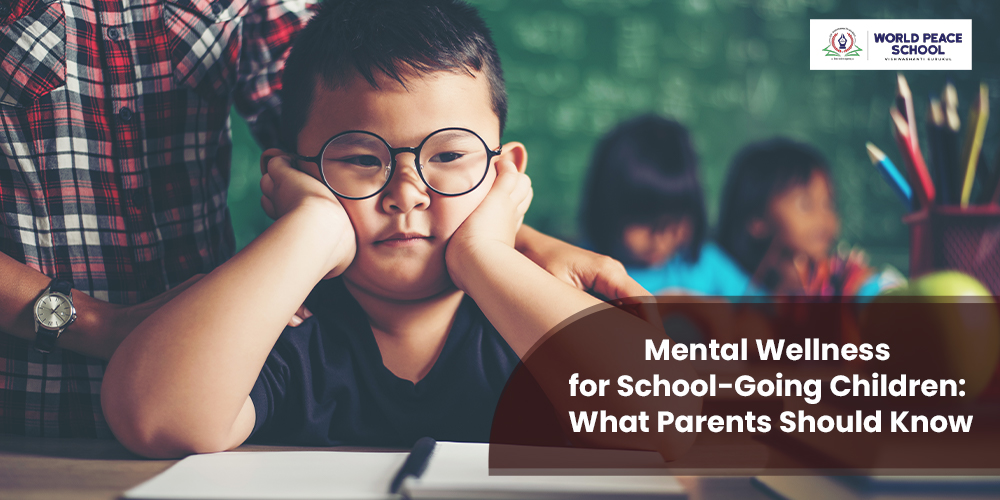
Mental Wellness for School-Going Children: What Parents Should Know

- Admin
- 02 October 2025
If you are looking for the best cbse board schools in pune that are efficient with mental wellness for children, you are on the right page. As students progress through their schooling process, their mental health becomes equally important as their performance. In this extensive guide, I will discuss the basics of being mentally healthy as a child, the present warning signs that should not be overlooked, and the practical tips that parents can use to ensure their home is a conducive learning environment. We'll also examine how educational institutions, including CBSE schools in Alandi play a vital role in fostering mental wellness for children.
Why Is Mental Wellness Important in School Years?
The years in school are a crucial time in the development of the child, when the pressures of school and social life and development of the child are united. The psychological health of children in such formative years forms the basis of their future emotional stability, educational achievement, and life quality as a whole.
Studies have always found that children who are mentally healthy have higher educational performance, better social lives, and fewer problems to solve. On the other hand, unintended mental health problems can result in school failure, antisocial behavior and permanent psychological complications that manifest even in adulthood.
Mental wellness for children has particular opportunities and challenges within the school setting. Students are exposed to six to eight hours in the learning institutions and schools are critical collaborators to recognizing and treating mental health issues at an early age.
What Is Mental Wellness in Children?
Mental wellness for children refers to emotional, psychological and social well-being. It deals with how a child can handle his or her emotions, cope with stress, have healthy relationships, and cope with changing situations. The normal child has a mind that owes its health to:
- Good emotional control.
- Strength in the face of difficulties or failure.
- Self-awareness and positive self-esteem.
- Positive peer and adult relationships.
- Stress coping that is appropriate to age.
- Being interested in and involved in learning.
Parents can better understand that mental health is on a continuum. This means that emotional problems are natural parts of growing up, but if they happen all the time, they may need more help.
Common Causes of Stress in School-Going Children
Multiple factors contribute to stress in school-aged children, and recognizing these triggers is essential for maintaining child mental health awareness. Academic pressure ranks among the most significant stressors, particularly as curriculum demands increase with grade levels.
Social dynamics create another major source of stress. Bullying, social isolation, peer connections, and the need to fit in can all have a big effect on a child's emotional health. The dread of being rejected by others generally gets worse during the teenage years, when getting along with others becomes more important.
Stressors associated with family, such as parental expectations, financial problems, divorce, or major life changes, can also have an effect on mental wellness for children. Even when parents try to keep their kids from worrying about adult problems, kids typically take on family tension.
Other things that can add stress are pressure from extracurricular activities, too much technology, worries about body image, and changes like moving to a new school or grade level. Each child responds differently to these stressors based on their personality, coping skills, and support systems.
Signs Parents Should Watch Out For
Mental health issues need to be identified at an early stage in order to intervene effectively. Parents have to be attentive to both apparent and insidious changes in the way their child behaves, feels, and operates day in day out.
The declining grades, lack of focus, frequent reports of not doing schoolwork or lack of interest in formerly popular subjects all qualify as scholastic red flags. These changes may be an indication of a stressful event or learning disability.
Behavioral changes are common in the form of heightened irritability, aggression, shunning family activities or profound changes in sleep. Other children can demonstrate retrogressive behaviors and revert to the habits they have already matured.
Mental health struggles can be marked by physical symptoms that do not have an obvious medical explanation (such as frequent headaches, stomachaches, or tiredness). The mind-body association means that the emotional distress tends to be physically expressed, particularly in younger children who may not have an adequate vocabulary to express themselves.
Social indicators consist of a loss of friendships or unwillingness to be included in group activities or peer conflict. Alterations in appetite, either drastic rise or fall, are also indicative of emotional problems that need to be addressed.
How Parents Can Support Mental Wellness
Providing an enabling environment at home is a core to facilitating the mental wellbeing of children. These two are supported by open communication, through which children can communicate their thoughts and feelings without fear of judgment and without direct efforts to resolve the issue.
Routine helps create security, predictability, and makes children feel that they are more in control of their surroundings. Consistency in the eating schedule, bedtime schedule, and family activities help to maintain stability which underlies emotional well-being.
Educating the child on coping skills suitable to his or her age enables the child to cope with stress on his or her own. These can be a series of deep breathing exercises, journaling, exercising, or artistic or musical expression.
The demonstration of healthy emotional regulation modeling teaches the reader what to do when dealing with stress. When parents control their own feelings, children do get to learn some important lessons on resilience and emotional intelligence.
Having attainable expectations and rewarding effort over results facilitates the development of self-esteem and decreases performance anxiety. Understanding that every child possesses his/her own strength and weaknesses will avoid the devastating comparisons and will help every child develop separately.
The Role of Schools in Supporting Mental Wellness
Schools can play a significant role in supporting mental wellbeing among students by employing a holistic strategy which goes beyond educational lessons. Social-emotional learning programs can be introduced in schools and can provide children with important life skills such as empathy, self-awareness and relationship management.
The establishment of inclusive spaces in which every child feels appreciated and accepted is a significant contribution to student mental health awareness. Anti-bullying policies, peer support programs, and diverse curriculum materials are known to create psychologically safe learning environments.
Mental health awareness training of teachers allows identifying those students who might require special attention in a timely manner. Once teachers recognize the relationship between mental wellness for children and academic achievement, then they can implement strategies to help struggling students.
The school counseling services offer important resources to students who face mental health problems. Daily visits, crisis management and referral systems ensure that children receive support when the need arises.
When to Seek Professional Help
The ability to observe progression and intensity of the symptoms is relevant in knowing when to seek professional help. When worrying behaviors persist over a number of weeks and despite the support interventions, professional evaluation can be justified.
Children, who report having suicidal thoughts, demonstrate symptoms of dramatic personality change, and act in a manner that interferes with normal functioning in various situations, should receive urgent professional help.
Mental health professionals include child and adolescent psychologists who may provide holistic assessments, treatment and family support plans. Professional intervention at early stages usually helps to avoid the development of minor problems into more serious mental health disorders.
Partnership with school counselors and student mental health workers forms an integrated system of support that meets the needs of the child in all settings.
Conclusion
Mental wellness for children is something that needs to be supported by parents as well as by schools and communities. Awareness of student mental health, early identification of warning signs and the strategies we can put in place to support children build emotional resilience they require to live a well life can make a difference in helping them create a meaningful life. The guide offers parents the key information and practical resources to support the mental health of their child and understand when to use other professional services. It is important to remember that the child's mental health awareness investment is not only beneficial to the individual child but also to the family and the community in general