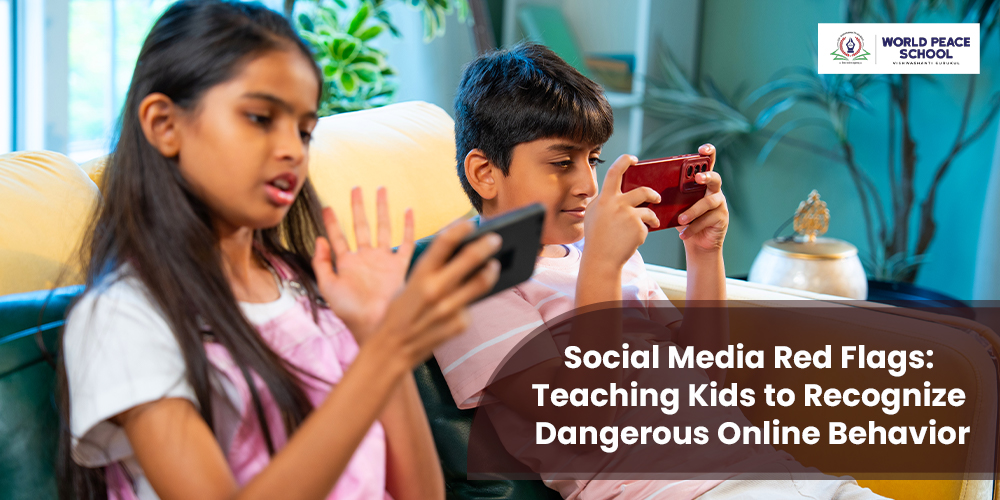
Teaching Kids to Recognize Dangerous Online Behavior

- Admin
- 19 January 2026
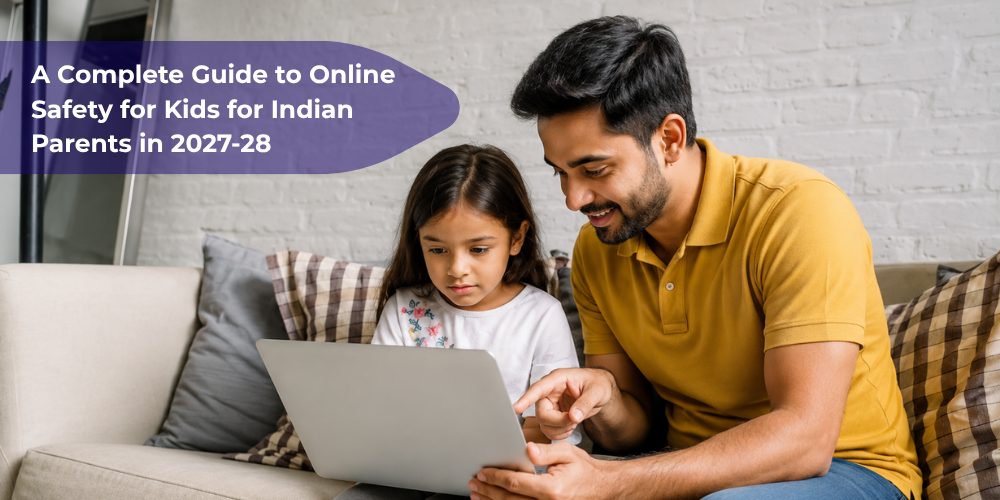
When kids move across screens with confidence, tapping and scrolling like pros, its easy to feel proud. But there is an internet world behind every swipe that isnt always as nice as it seems. Kids need to learn how to detect social media red flags for kids just like they learn how to cross the street safely. Schools like WPS, which is one of the best CBSE schools in Indore, often tell parents that being aware is the first step in protecting their children. As kids use more online platforms, their ability to spot harmful behaviour becomes the best way to keep them safe.
What Do Red Flags on the Internet Really Mean?
Kids frequently see the internet as a colourful, enjoyable place with lots of nice people. The problem is that bad behaviour doesnt always look bad at first. It usually starts with being curious, nice, or giving compliments. Thats why you shouldnt scare youngsters into learning about social media red flags you should do it calmly and plainly. Kids learn to stop, consider, and choose safety over risk when they recognise what strange or uncomfortable behaviour looks like
Must Read: Why CBSE Students Need to Learn Coding and Robotics Today
Red Flag #1: Strangers Asking for Personal Information
A simple question concerning school, home address, or daily routine might rapidly become a big problem. It might not seem like a big deal at first, especially if the speaker sounds nice or polite. Kids often think that little things arent important. But this is one of the most obvious symptoms that someone is dangerously using social media. Kids need to know that even seemingly harmless questions might come from people who arent safe, and they should never share personal information online.
Red Flag #2: Requests for Private or Secret Conversations
When people move from group conversations or public chats to private communications, things often go wrong. It is not safe when someone insists on keeping things secret or tells a child to keep discussions from their parents. This is where internet safety tips for kids are most important. Kids should know that real friends never ask them to keep secrets. They should be sure that they can leave the conversation and tell a trustworthy adult right away.
Red Flag #3: Adults Pretending to Be Teenagers
Adults pretending to be kids online can lead to some of the worst interactions. People can trust you more easily if you use fake names, fake ages, and manipulated images. Kids should be wary of social media when stories dont match, details constantly change, or profile images look suspect. Its important to teach kids to be wary of those who look too perfect or who dont always do what they say.
Red Flag #4: Cyberbullying, Harassment, and Manipulation
Not all online threats come from people you dont know. Sometimes, they come from people kids already know. Messages that hurt, constant pressure, teasing, or emotional manipulation can have a big effect on a childs mental health. A lot of kids try to deal with this on their own since they are embarrassed or dont know what to do. Parents can help by telling their kids that speaking up is a sign of strength, not weakness. It is not a childs job to put up with bad behaviour online.
Red Flag #5: Suspicious Links, Downloads, and Scams
Another big red flag is links that capture your eye, deals that seem too good to be true, or downloads that you didnt expect. Kids frequently click rapidly when they see something that looks enjoyable or important. Sadly, links that arent safe can get your account hacked or your personal information stolen. Kids should learn to spot red flags, including links that look suspicious, attachments they dont know about, or messages that tell them to act right away. Taking a break and asking an adult before clicking can keep you from getting into big trouble.
Red Flag #6: Too Much Attention or Love Bombing
Some adults acquire a childs trust by always praising, appreciating, or giving them too much attention. It feels good and comforting at first. It might become controlling over time. Kids could feel like they have to always answer or make the other person pleased. Parents can tell their kids that healthy friendships give each person their own space and freedom. People often use too much attention to change how you feel and act.
Red Flag #7: Blackmail, threats, or fear
When talks get scary, the risk goes up a lot. Threats might start off modest and get bigger over time. One of the most hazardous signs of trouble online is behaviour based on fear. Kids need to know that they are never to blame. Their safety is more crucial than anything else online. Teaching kids to tell someone right away when they see this kind of behaviour helps stop harm before it becomes worse
Must Read: Pros and Cons of Mobile Phones in a Students Daily Routine
How Parents Can Teach Kids to Stay Safe Online
The second stage is to help kids stay calm once they know what to look out for. The best ways to keep kids safe online are the ones that work. Tell kids to think before they answer, not share too much, and follow their gut. Kids should know that they can exit any conversation that makes them feel bad. Building a habit of doing this answer makes things safer in the long run.
Using Safety Tools and Settings Effectively
Privacy settings, banning choices, and reporting features are more than just technical tools. They are very important for safety. Parents and kids can look at these features together so that everyone learns how to use them. Kids feel safer and more confident online when they know how to limit who can contact them, see their content, or ban them right away.
Encouraging Open Communication at Home
Trust is the foundation of online safety for children. Kids are more willing to talk when they feel they wont be criticised or penalised. Parents can spot early signals of uneasiness by talking to their kids about their online experiences on a regular basis. When kids know their parents will help them instead of punishing them, they can deal with a lot of internet dangers before they get worse.
Conclusion
You dont have to be scared or watch your kids all the time to keep them safe online. It needs people to be aware, talk to each other, and get help. Families can make their kids safer online by learning about common social media red flags for kids, how risky behaviour starts, and easy internet safety tips for kids. The digital world may be a place to learn instead of being hurt if you have the correct tools and talk about things openly.
Check out the programmes at WPS Indore for extra help, safety tools, and learning support for kids. Being aware today helps kids be responsible and confident online tomorrow.