Mobile & Mind Development: Indore Parents’ Responsible Usage Framework

- Admin
- 26 March 2026
Cell phones have quietly become a normal part of childrens lives. Screens are now a part of family life far sooner than they used to be. They are used for everything from learning videos to casual pleasure. Technology can help kids be curious and learn, but it can also change their behavior, attention, and emotional growth in ways that parents may not see right away.
This blog talks about how kids using mobile devices affects their mental growth and what parents in Indore can do to help them use them responsibly. You will learn how screen time affects your thoughts, why balance is important, and how a clear framework may help families practice.
Use your phone responsibly and teach your kids good phone habits. Teachers and parents at WPS- the best CBSE schools in Indore commonly agree that early mentoring at home is very important for making students who are focused and confident.
Understanding Todays Mobile Environment in Indore Homes
We are the top CBSE School in Indore offering an innovative learning experience for children. In this blog, we will be explaining everything you need to know about mobile and mind development techniques for students. A lot of screen time is needed due to busy work schedules, nuclear families, and limited outdoor time during the week. Phones can be used for learning, having fun, and sometimes even for emotional support.
Many families let their kids use their phones to watch instructional videos first. Screens slowly start to fill up boring times, dinners, and trips. Most of the time, this change happens without any forethought, which makes it tougher to see when usage goes too far.
The first step to using your phone responsibly is to understand this environment. Parents can better manage their children and receive less resistance if they observe patterns quietly rather than responding immediately.
How Mobile Usage Influences Mind Development?
A childs brain grows as they move around, talk to people, use their creativity, and solve problems. Screens make the brain work in different ways. If you see too many fast graphics and get rapid rewards, it can make you less patient and less focused.
When the content is age-appropriate and interactive, balanced mobile use can help kids learn. But using it for extended periods or without guidance may limit opportunities for creative play, language development, and emotional regulation.
Variety is good for the development of the mind. Kids learn a lot by talking to adults, playing freely, and exploring their surroundings. Kids should have healthy mobile habits so that screens dont take the place of these experiences.
Indore Parents Responsible Mobile Usage Framework
Set Clear Daily Time Limits
First of all, kids need rules that they can grasp. Setting clear daily time limitations gives you organization and makes things more predictable. Parents should set specific screen times and stick to them instead of altering the regulations all the time.
This method helps kids use their phones responsibly since they know what to expect. As time goes on, they learn to manage themselves and are less likely to ask for screens on a whim.
Use Only High-Quality Educational Content
Not all digital stuff is equally useful. Instead of just viewing, parents should pick apps and movies that make their kids think, use language, and be creative.
When kids use mobile devices to learn important things, screens become instruments for learning instead of things that get in the way. The quality is much more important than the quantity.
Co-Viewing: Watch Together and Guide
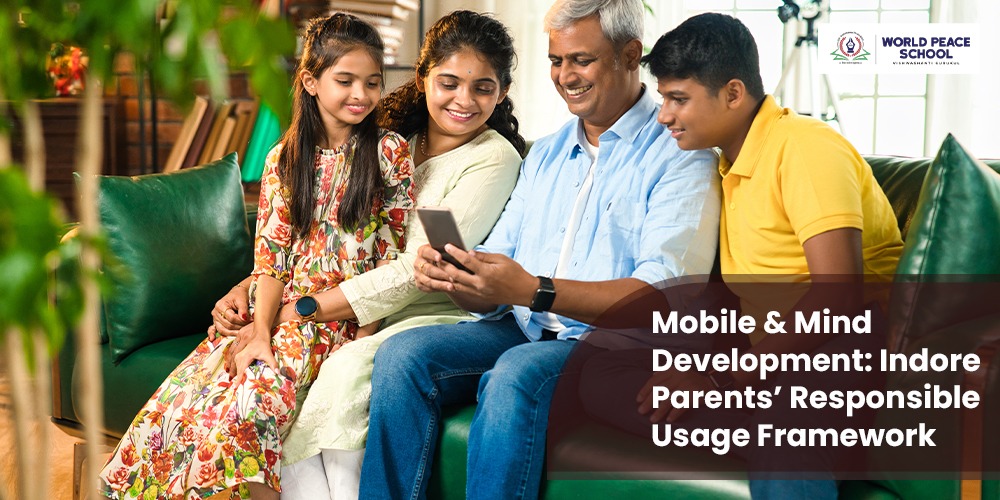
Adults are the best for kids when they are involved. Parents may explain things, ask questions, and connect what they see on TV to real life when they watch together.
This activity turns screen time into time spent with other people. It also helps youngsters develop healthy mobile habits by training them to think about what they are doing instead of just unquestioningly consuming stuff.
Create Mobile-Free Zones at Home
Some areas should not have screens. The dining room and bedroom are wonderful places to start. These zones make it easier to talk, sleep better, and connect with others on an emotional level.
Mobile-free zones teach kids that they dont need screens all the time, which helps them use their phones responsibly. Talking during meals is a simple habit that helps with language and social skills.
Replace Screen Time With Indore-Friendly Activities
Cutting back on phone use is easiest when there are other options. At home, you can have fun with board games, telling stories, music, drawing, and short walks.
These activities get your body moving and your mind working. By showing youngsters that screens arent the only way to have fun and study, they help them develop healthy mobile habits.
Avoid Mobiles as a Tool to Handle Tantrums
It may appear like using a phone to soothe a youngster down during a tantrum works, but it makes them emotionally dependent on screens. Children need help to understand and manage their feelings.
When parents are patient, talk to their children, and soothe them, their children learn to manage their feelings. When kids use their phones in a balanced way, they dont utilize screens as emotional shortcuts.
Teach Digital Manners Early (Digital Etiquette)
Digital manners include requesting to use a gadget, stopping when asked, and being careful with electronics. Teaching these behaviors early on makes people more responsible.
These lessons are the basis for using your phone responsibly. Kids learn that cell phones are tools with restrictions, not things that break family rules.
Ensure Safe and Secure Mobile Use
Safety is really important. Parental controls, age-appropriate settings, and supervision keep kids safe from bad content and dangers online.
Safe practices help youngsters develop healthy mobile habits by making sure they can learn in a safe place without becoming confused or seeing bad things.
Maintain a Healthy Routine That Supports Mind Growth
Sleep, food, studying, playing, and resting are all parts of a healthy daily routine. Screens should fit into this rhythm rather than breaking it.
Children feel stable when their mobile use fits in with their daily routines. This regularity helps people feel safe emotionally and helps their minds grow steadily.
Lead by Example: Parents Behaviour Shapes Children
Kids pay a lot of attention to how adults act. When parents cut back on their own screen use during family time, kids will naturally do the same.
Leading by example is a more effective way to teach Responsible mobile use than repeating the same instructions. Children learn habits by watching, not by listening alone.
Conclusion
This blog gives Indore parents a simple and useful way to help their kids use screens in a healthy way. Families may make sure that kids use mobile devices to learn instead of limiting it by knowing how screens affect development and setting up smart habits. Healthy mobile habits for kids become a part of everyday life when there are clear rules, parents are involved, and they see good examples. Ultimately, this method helps children develop balanced minds, stronger connections, and the ability to use technology safely as they grow older.